


To get into a sober living house, such as those offered by Roaring Brook Recovery in Kentucky, individuals must first abstain from drug and alcohol use and typically participate in a treatment program like detox, inpatient, or outpatient care. The process includes completing an application and speaking with staff.
How to Get into a Sober Living House
Roaring Brook Recovery is an addiction and mental health treatment center with multiple sober living houses. Today, we are here to talk about everything you need to know about how to get into a sober living house and how our center can help. Based in Kentucky, we offer top-rated, abstinence-based treatment programs and comfortable, structured sober housing, among other resources, to guide individuals through addiction recovery.
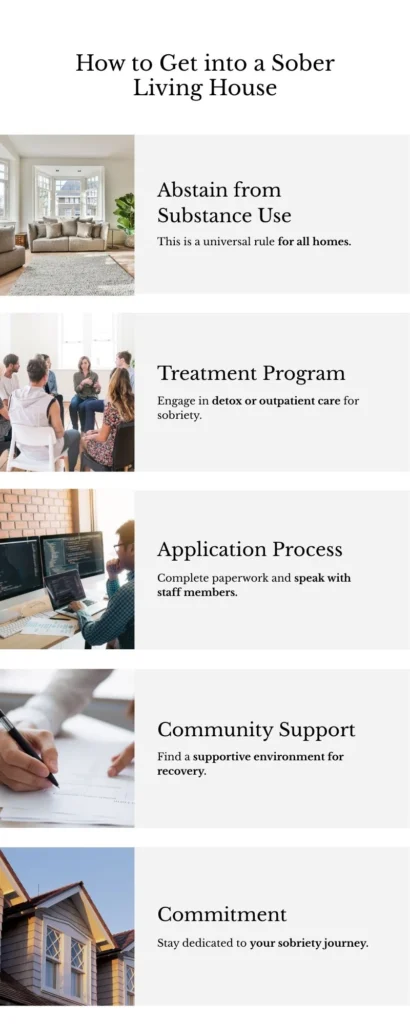
If you are wondering how to get into a sober living house, it may depend partially on where you go. Keeping that in mind, here are some steps you’ll almost always have to take:
- Abstain from drug and alcohol use. All sober living homes will have unique rules, but one that they should all have in common is that you must refrain from using illicit substances to move in and maintain your placement.
- Participate in a treatment program. To get sober and remain abstinent, you may attend detox, inpatient, and outpatient treatment programs. Since many people in sober housing are in (or about to enter) outpatient care, you may seek detox or inpatient rehab services first.
- Complete the application process. All sober living homes have their own application and admissions process. Almost always, this will involve completing documents and speaking with staff.
At Roaring Brook Recovery, we are proud to offer sober living services for our clients. Getting started on your recovery journey can begin with a quick call to our center. We are friendly, and all calls to our admissions line are commitment-free.
Sober Living Kentucky
Roaring Brook Recovery offers sober living in Kentucky. We have three sober living homes for women and two sober living homes for men. Here are some of the benefits of choosing Roaring Brook Recovery:
- Affordability. Our sober living homes in Kentucky are affordable. Residents are expected to pay a weekly rent (approximately $125), which includes all utilities.
- Integrated housing and therapy. Since we offer both treatment and housing, Roaring Brook can help you coordinate both your housing and addiction therapy services.
- Community. Having a sense of community matters in addiction recovery, whereas isolation can feed substance abuse. Attending house meetings and living in the house with others, among other opportunities for connection, can help you cultivate community.
- Structure. Sober living adds extra structure to your life, which can be essential in addiction recovery.
- Accountability. Our residents must stay in their addiction treatment program and are required to engage in certain activities, such as chores and a weekly deep clean. Sober housing can help you stay accountable for your recovery and the actions that support it.
Although you do not need to stay in sober housing to participate in the programs at our center, it goes without saying that sober living can be highly advantageous.
Our Programs
Our programs are covered by most insurances. As a resident at one of our sober living homes, you will participate in one or more of the following programs. We also offer alumni support and other resources to assist you through each and every stage of the recovery process.
Partial Hospitalization Program
Our partial hospitalization program (PHP) meets five days per week, giving you the structured schedule you need to build new routines while receiving comprehensive addiction therapy. On treatment days, you will participate in daily group sessions, regularly scheduled individual therapy sessions, and other activities, such as family therapy, for approximately four hours per day. Therapy methods used involve evidence-based approaches, such as 12-step, cognitive behavioral therapy (CBT), neurofeedback, dialectical behavior therapy (DBT), motivational therapy, and trauma therapy, paired with supportive treatments like art therapy, hiking, and breathwork.
Intensive Outpatient Program
While our intensive outpatient program (IOP) is a step down from PHP in intensity, the same effective approach is used. Rather than five days per week, IOP clients attend treatment four days per week for shorter sessions (approximately three hours per day). This schedule lets you balance other responsibilities, like work or college classes, with addiction therapy once you are ready. Some clients start with IOP at Roaring Brook, whereas others transition into IOP after PHP.
Call Roaring Brook Recovery to Learn More About How to Get Into a Sober Living House Today
Roaring Brook Recovery is a treatment center providing person-centered, evidence-based treatment rooted in 12-step programming. We are always evolving with the needs of our clients and are here to help you or your loved one access all of the resources needed–addiction treatment, sober housing, or something else we can help with–to support a healthy and sustainable recovery from substance abuse. Call Roaring Brook Recovery to learn more about how to get into a sober living house today at (866) 679-0668.
Frequently Asked Questions (FAQs)
How do I get a sober living placement at Roaring Brook Recovery?
To get a sober living placement at Roaring Brook Recovery, call our admissions line or contact us online. Our team can guide you through each step of the application process, which includes completing documents, undergoing an assessment, and learning about the house rules for residents.
What is a sober living house?
In simple terms, a sober living house is a supportive, drug and alcohol-free home for individuals who are in addiction recovery. Sober housing can support your sobriety in multiple ways, from house rules and required participation in recovery services to the sense of community it provides.
Are there different types of sober living homes?
Yes. There are different types of sober living homes or recovery residences. The National Alliance for Recovery Residences categorizes recovery residences into the following categories:
Level I (Peer-Run).
Level II (Monitored).
Level III (Supervised).
Level IV (Clinical).
Each level of sober housing has different attributes. The level of recovery housing that is right for you will depend on your current needs. There are other factors that can set one sober living home apart from another, too. For example, some are co-ed, whereas others are gender-specific.
What rules do sober living homes have?
All sober living homes have different rules. Common rules in sober living homes include, but are not limited to, housing curfews (you must be home at a certain time each night), staying in treatment, attending 12-step meetings, looking for employment, completing assigned chores, and staying sober from drugs and alcohol.
How long do people stay in sober living homes?
It depends. While some homes have rules containing a required minimum length of stay, you can usually choose how long you stay in sober housing. However, longer stays (at least six months) are often recommended to support the best possible recovery outcomes.